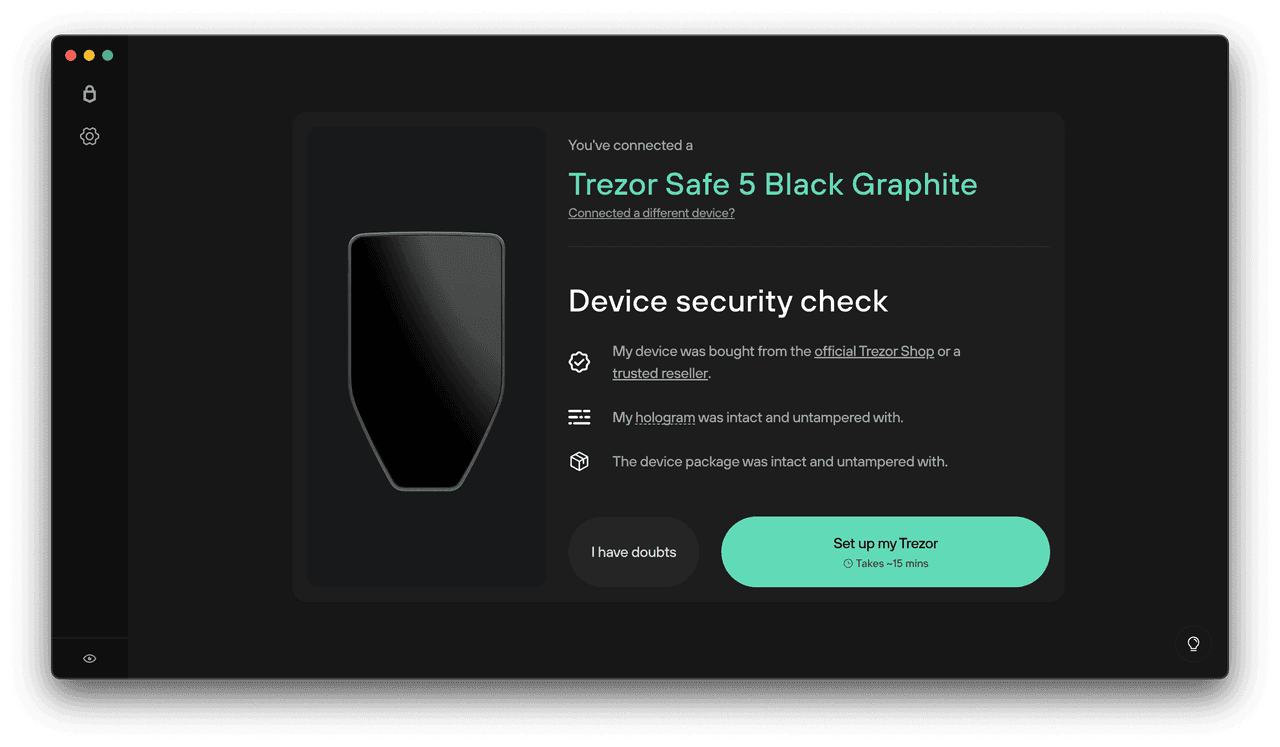
Trezor Login: A Complete Guide to Accessing and Securing Your Hardware Wallet
Managing cryptocurrency safely requires strong security practices, and one of the most reliable ways to protect digital assets is by using a hardware wallet. Trezor, a globally trusted brand in crypto security, provides users with a secure environment to store, manage, and authenticate their digital currencies. A key part of this experience is the Trezor login process, which ensures that only the rightful owner can access the connected wallet through Trezor Suite. Understanding how this login works, what steps to follow, and how to troubleshoot issues helps users maintain seamless access to their crypto holdings.
This guide explains everything you need to know about logging into your Trezor device and using it securely.
What Is Trezor Login?
Trezor login refers to the process of authorizing and accessing your crypto wallet through the Trezor hardware device. Unlike traditional logins that rely on usernames, passwords, or email addresses, Trezor uses a physical device combined with PIN authentication and optional passphrase protection. This method ensures that your private keys never leave the device, making unauthorized access virtually impossible.
When you initiate a login through Trezor Suite, you verify ownership of your wallet by physically interacting with the hardware. This approach significantly reduces the risks associated with online phishing, hacking, or credential theft.
Requirements Before Starting the Trezor Login
To log in securely, make sure you have the following:
A Trezor Hardware Wallet
This could be a Trezor Model T or Trezor One.A USB Cable
Used to connect your device to your computer.Trezor Suite Installed
Trezor Suite is the desktop application used to manage your crypto assets.Your Device PIN
A numeric PIN chosen during device setup.Optional Passphrase
If you enabled passphrase protection, you must enter it during login.
Having these components ready makes the login process smooth and secure.
How the Trezor Login Process Works
The login process is designed to be simple for the user while offering maximum security. Here’s a step-by-step explanation of how Trezor login typically works:
Step 1: Connect Your Trezor Device
Plug your Trezor into your computer using the USB cable. The device will automatically power on and wait for authorization from Trezor Suite.
Step 2: Launch Trezor Suite
Open the Trezor Suite application on your computer. If this is your first time connecting the device, the app may prompt you to install firmware or verify your device.
Step 3: Select “Access Wallet”
Inside the dashboard, click on the option to access your wallet. Trezor Suite will detect your hardware device and initiate the login flow.
Step 4: Enter Your PIN
Your Trezor device will display a randomized PIN matrix. You will use this matrix to enter your PIN on the computer securely. This unique method ensures that even if keyloggers are installed on your system, your PIN remains safe.
Step 5: Enter Your Passphrase (If Enabled)
A passphrase acts like an additional password that unlocks a hidden wallet. If you have activated this feature, you will need to enter it during login. You can choose whether to input the passphrase on Trezor Suite or directly on the device, depending on your model.
Step 6: Access Your Wallet
Once you confirm your PIN and optional passphrase, Trezor Suite will load your wallet dashboard. From here, you can check balances, send or receive crypto, manage tokens, and explore advanced features.
This process ensures that your private keys never touch your computer. All sensitive operations remain inside the Trezor device.
Why Trezor Login Is More Secure Than Traditional Logins
Trezor’s login system is designed for users who prioritize secure crypto management. Here’s why it stands out:
1. No Passwords Stored Online
Traditional logins can be hacked, leaked, or stolen. Trezor eliminates this risk entirely.
2. Physical Verification
The device must be physically connected, making remote hacking almost impossible.
3. Offline Private Keys
Your private keys never leave the device or connect to the internet.
4. PIN Matrix Protection
The randomized PIN matrix changes every time you log in, adding a strong security layer.
5. Optional Passphrase
A passphrase creates additional wallets and keeps your crypto protected even if someone steals your hardware device.
6. Firmware Integrity Checks
During login, Trezor verifies its firmware to ensure the device has not been tampered with.
This system ensures maximum protection against phishing, ransomware, and malware attacks.
Common Trezor Login Issues and Their Solutions
While Trezor is designed to be user-friendly, login issues can occasionally arise. Here are some common problems and how to solve them:
1. Device Not Detected
If your Trezor isn’t recognized:
Try a different USB cable or port
Update Trezor Suite
Restart your computer
Ensure you’re not using a USB hub
Most detection issues resolve with a direct connection and an updated application.
2. Incorrect PIN
If you enter the wrong PIN, your Trezor will impose a delay before allowing another attempt.
After multiple incorrect attempts, the device will wipe itself for security.
Always double-check the PIN matrix to ensure the correct input.
3. Forgotten Passphrase
A passphrase cannot be recovered.
If you forget it, you cannot access that hidden wallet.
However, your main wallet remains accessible if it uses a different passphrase or none.
4. Firmware Warning
If Trezor Suite displays a firmware mismatch warning:
Follow instructions to update
Ensure you’re using the official app
Do not install firmware from unknown sources
This ensures your device remains secure.
5. Browser Conflicts
If accessing through the web interface:
Close other tabs using similar services
Disable browser extensions that may interfere
Use a private window if necessary
Best Practices for a Safe Trezor Login Experience
Following recommended security practices helps keep your assets protected:
Keep your PIN and passphrase private
Never share your recovery seed
Use a strong, unique passphrase
Avoid using public computers for login
Regularly update Trezor Suite and firmware
Disconnect your device when not in use
Enable additional security features available in Trezor Suite
These small steps reinforce the already strong security foundation that Trezor provides.
Final Thoughts
The Trezor login process is built on the principles of simplicity, privacy, and maximum security. By requiring a physical device, a secure PIN entry method, and optional passphrase protection, Trezor ensures that only the rightful owner has access to their crypto assets. Whether you are a beginner or an experienced cryptocurrency investor, understanding how the login process works and following best practices can help you manage your digital wealth confidently.
If you rely on Trezor as your primary hardware wallet, getting familiar with the login steps and troubleshooting tips ensures smooth and secure usage every time.